Posted on

Block by Block Ideas

block by block ideas

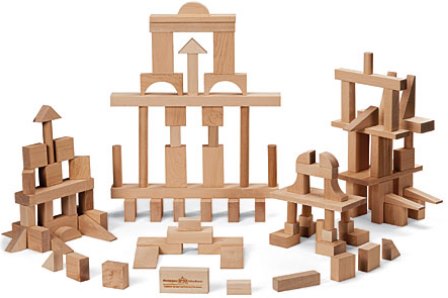
Whether they are flat, cylindrical, rectangular, conical or cubic, wooden blocks are used to form objects. Children enjoy building houses, department stores, hospitals, schools and other buildings. They either spread them out on the floor or construct them on a three-dimensional basis. Wooden blocks don’t have hinges that connect them to each other. Kids therefore learn the concept of balance, the value of considering small details and the attitude of patience.

block by block ideas

You can make one tall building together to foster teamwork and camaraderie. Through this, you would know who has leadership qualities, who are cooperative team players and who bums around. Then you can gather around it, act like the wolf in the Three Little Pigs traditional tale and blow it hard. When the building has fallen down, laugh out loud together and rebuild it again.

You can also ask them to build a specific building on their assigned area. When everyone’s finished, provide each of them a car and allow them a few minutes to go joyriding around the town. You can also give each of them a few blocks and they take turns in contributing to put up one unique building. The list on how to deal with the blocks goes on and on. It just depends on the teacher’s creativity.
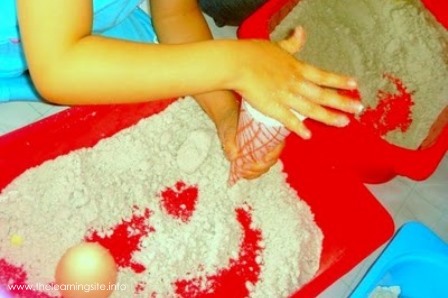
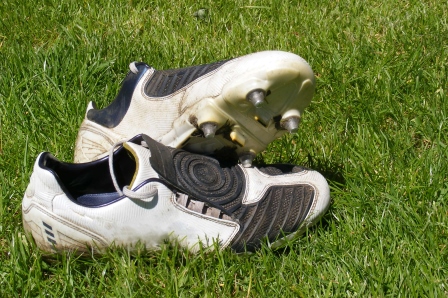
Photo source

Posted on

Delta Sand – The Sand for Kids

delta sand

Delta Sand is soft and non-toxic light gray (almost white) sand that can be easily molded into mountains, castles, tunnels, cake and other objects around us. Originally from Sweden, this sand can be heated, painted and mixed with water and yet, return to its original condition when wetted, washed and dried, respectively. An effective substitute for real sand box in the yard, delta sand activities are good for sensory experience, hand and finger exercises and creativity improvement.

delta sand

Delta sand are often used with other instructional materials. For example, when making ice cream, you can decorated paper cones and fill it with sand. When the topic is all about means of transportation, you can utilize backhoes and dump trucks. When you form a snowman, you can attach googly eyes, a pointed object for the nose and short textiles for the scarf. After making an umbrella craft, you can drop sand over it, as if it is rain or snow. When you want the kids to have a gardening lesson, you can dig the sand with gardening tools.

Playing with delta sand can be messy. Although it can be dusted off easily, it is wise to let students bring extra clothes. Be sure to allot time for washing hands and feet. After playing with the sand, place it inside a sealable plastic bag to maintain its quality.

Posted on

Football for Preschoolers

football for preschoolers

Football, according to various sports’ polls, remains to be the most popular sport in America. No wonder why people queue up at ticket centers for Bears tickets, flock to stadiums or glue their eyes on TV when there’s a live coverage of a football game.This popularity makes the idea of bringing football into the preschool classroom a very interesting one. Children get excited as they mimic strong players kicking or passing the ball or the spectators rooting for the home team. They also get to improve their motor skills and foster teamwork as they play the game.

football for preschoolers

However, as common sense suggests, we have to customize the game according to the students capabilities and developmental needs. If you don’t have enough resources, you can create your own football and net as part of your art class. Here are three examples of simple games that you might want to incorporate in your class.

A. Shoot the Football

Position the net at one end and let the kids line up at the other end, holding their own ball. Have a player run towards the net and let him shoot the ball. The other kids can get too excited to have their turn so make a line and remind them not to go beyond it. You can also ask them to cheer their classmate, as if they’re supporting NFL Chicago bears.

B. Fastest Football Team

Divide the class into groups of five. Ask them to form a line by group at one end, place a huge net at the other end and put a basket of ten footballs in front of each line. Once you blow the whistle, each member takes turns in taking one football, running towards the net and shooting the ball. The team who can finish shooting all the balls the fastest is the winner.

C. Treasure Football

Choose one kid to be the treasure master. Ask the rest of the class to close their eyes and count from one to ten while the treasure master hides the ball somewhere. They then try to look for the ball. The student who can find it will be the next treasure master.

Footy4kids.co.uk shares a lot of soccer coaching tips for children of all ages. Go and visit their website and get ideas from their contributors.

*

By the way, here’s a note from the best NFL ticket seller: Ticketamerica.com has Chicago Bears tickets and Bears Tickets for all NFL home and away games. Please call us.

Photo source

Posted on

Blocks for Preschoolers

lego blocks blog

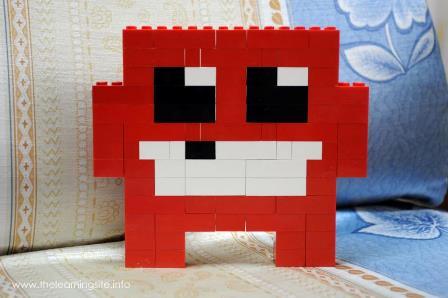
Coming in different forms, sizes and colors, lego blocks are interlocked to build different objects. Most of the time, teachers need not instruct children on how to form vehicles, animals, natural entities, buildings, robots, etc. because when the blocks are presented to the kids, their imagination and creativity start to take the driver’s seat naturally. With this instructional material, children learn how think powerfully and improve their dexterity.

lego blocks blog

As a preschool teacher, you can play with lego bricks in two ways: as directed and as desired. Direct classes are usually facilitated to pupils ages 3-4. Considering their insufficient know-how, give them a basket with specific number of blocks to form the desired target. Demonstrate how to do it in front of them. When they reach the goal, you can give them more blocks so they may add their own design or create other things in mind. For older kids with high level of creativity, it’s not necessary to do this. You can just let them do what they want.

In a preschool classroom, you can also use lego blocks for other purposes. You can utilize it for teaching math (counting, sorting, classifying), art (lego mosaics), science (knowing whether it sinks or floats in the water), music (producing different sounds), etc. With innovation as your companion, you can discover more uses of lego blocks.

Posted on

Origami in the Classroom

origami

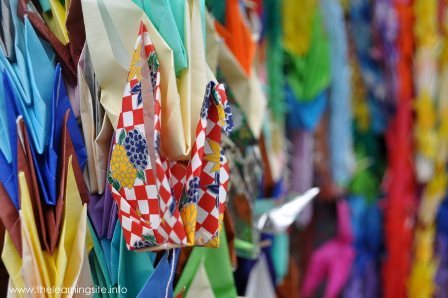
Origami comes from the Japanese words “oru” which means to fold, and “kami” which means paper. In simpler terms, it means the art of folding paper. An advantage of this form of art is it doesn’t need an innate talent like that of painting, drawing, etc. With only neatness in folding and patience in following the manual’s or teacher’s instructions, you’re already a soldier ready to take part in the battle.

origami

This isn’t something new to us, as Japanese people have popularized this simple yet amazing activity. There are so many websites that offer paper folding instructions but I suggest that a book must be at hand. In that way, kids get to choose the object they want to fold. Interest is a key factor in being able to finish a task.

Origami can be very difficult for the younger ones. You might often hear four-year-old kids saying, “Teacher, I don’t know how to do it. Could you help me?” or “Teacher, could you show it again to us?” Sometimes, they end up not doing the activity or getting bored and crumpling their paper. As a teacher, you should carefully choose the origami activity for your class. It should be suitable to their age and capacity.